

Software engineers working on code in front of multiple monitors

Engineering and technology

Technology

Engineering and technology for your industry’s challenges.

Technology companies need to scale products and operations without losing quality, security, or speed. At LUZA, we form teams and develop projects for digital products, platforms, data, and technological environments.

Industry context

Industry challenges

  1. Architecture and product evolution

    Digital products need to evolve without accumulating dependencies that are difficult to maintain. Architecture decisions affect integration, quality and the ability to change. Understanding requirements, interface contracts and expected behavior helps organise technical priorities. Assessment should connect business needs with product context, avoiding the assumption that one tool or programming language provides a universal answer to every technology challenge.

  2. Software quality and testing

    Frequent deliveries require checks that represent meaningful product risks and behaviors. Automated tests need to connect with requirements, integrations and operating conditions. Organising evidence and analyzing failures helps distinguish implementation problems from environmental issues. Quality should accompany development, with clear criteria for reviewing and evolving applications, rather than being treated as a final inspection disconnected from design and delivery decisions.

  3. Cloud, data and security

    Scaling technology environments involves availability, access, observability and infrastructure dependencies. Data and services need clear ownership and context. Assessing security and quality during architecture design helps organise controls and decisions. Artificial intelligence also requires an understanding of data limitations and validation criteria before results are integrated into operating flows, keeping technical ambition connected to reliable information and practical implementation conditions.

Engineering and technology for your operations

LUZA Engineering Experts

LUZA Engineering Experts brings together capabilities in technical project management, process analysis and delivery validation. The approach starts with an understanding of requirements and interfaces between activities, systems and teams. Specialists can join the client organization, work within a dedicated team or contribute to a complete project. Technical analysis, documentation and verification criteria help connect design decisions with operating conditions. Scope and responsibilities are defined according to the need, rather than assuming that the same configuration will suit every environment or every stage of development.

Explore this solution

LUZA IT Experts

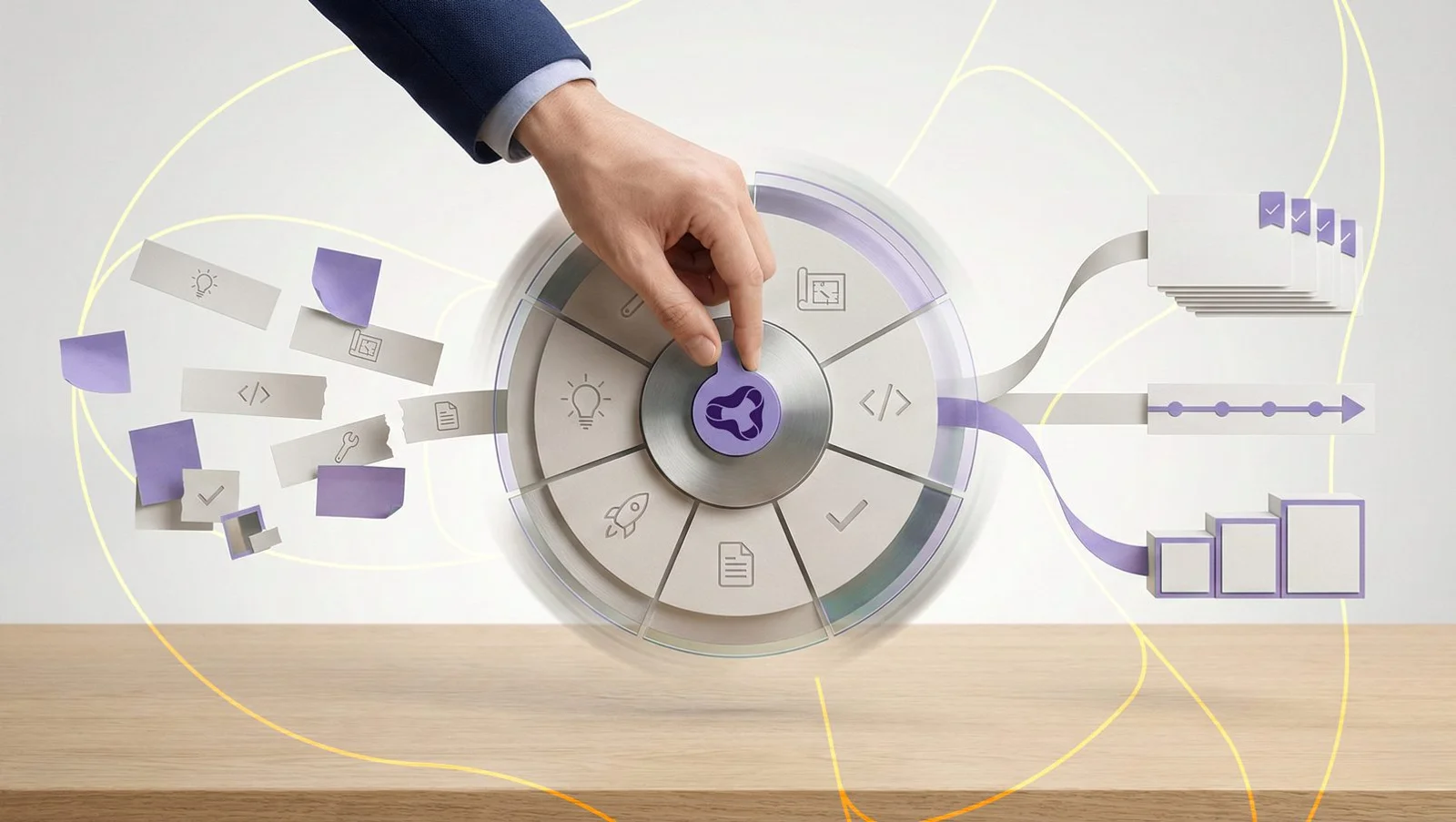
LUZA IT Experts connects capabilities in architecture and software development, data, AI, cloud, testing and cybersecurity. Solution definition considers existing applications, information quality, access and infrastructure dependencies. Development, data and quality teams work from clear requirements and acceptance criteria aligned with intended use. The integration of engineering and technology allows processes and systems to be treated as parts of the same operation. Tool selection follows the technical context and project objective, with attention to maintenance, support and the continued development of what is delivered.

Explore this solution

How we structure delivery

To structure delivery, the initial discussion connects the technical problem with affected processes, existing systems and the teams involved. Requirements and constraints need to be understood before specialists or tools are selected.

This analysis helps define activities, interfaces, acceptance criteria and the information needed to monitor execution. Planning considers integration with client operations and the responsibilities of each participant, keeping scope connected to actual working conditions rather than relying on assumptions about the environment.

Execution can combine embedded specialists, dedicated teams and end-to-end projects according to the agreed scope. Technical monitoring maintains visibility over decisions, dependencies and changing needs. Quality reviews and validation evidence help verify delivery alignment. By organising documentation, criteria and responsibilities, teams also preserve the context needed for maintenance, continuity and future development. This structure supports discussion of adjustments using verifiable information, without promising results that depend on specific client conditions or decisions outside the agreed technical scope.

  1. Understanding the context

    We analyze the characteristics of the environment, project, and operation before defining the necessary competencies.

  2. Adherent teams

    We select specialists considering technical experience, adaptability, and familiarity with the sector.

  3. Flexible models

    We operate with integrated professionals, dedicated teams, or complete projects, as needed.

  4. Continuous evolution

    We monitor the delivery to maintain adherence, identify risks, and adjust the structure when necessary.

Find the right capabilities for your industry

Talk to our specialists about the challenges, competencies, and the most suitable delivery model for your market.