
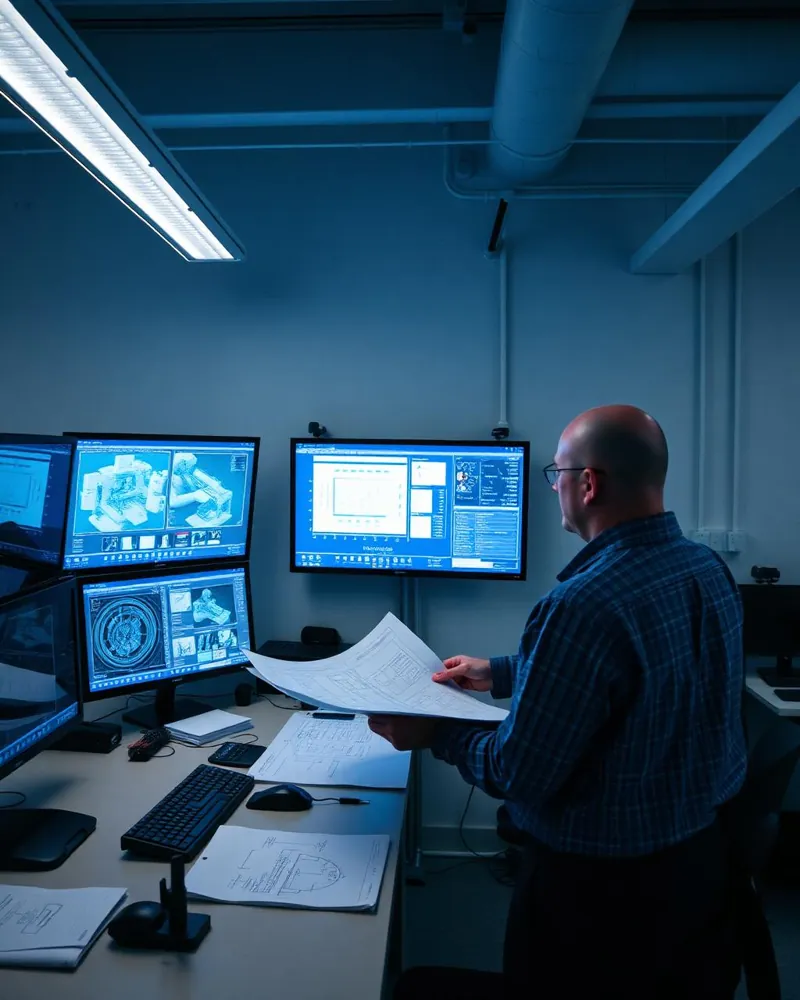
Engineers analyzing a project in an industrial environment

Engineering and technology

Engineering

Engineering and technology for your industry’s challenges.

Engineering companies need to expand capacity without losing control over deadlines, quality, and execution. We gather specialized teams and flexible structures to absorb new demands, expand scopes, and reinforce highly complex technical projects with greater agility and consistency.

Industry context

Industry challenges

  1. Discipline and interface coordination

    Technical projects bring together disciplines with interdependent requirements and deliverables. A drawing change can affect calculations, specifications and the work of other teams. Mapping interfaces and organising reviews helps maintain consistent decisions. The challenge is making reliable information available at the right time, preventing each discipline from progressing with incompatible assumptions and keeping technical dependencies visible throughout execution.

  2. Technical capacity and scope control

    Adding people does not replace a clear definition of responsibilities and delivery criteria. Projects need to connect required capabilities, activities, priorities and dependencies. Organising scope and governance helps integrate specialists without losing context. It also makes changing needs easier to identify and allows technical impacts to be discussed before they become execution problems, keeping staffing decisions linked to actual project requirements.

  3. Quality evidence and traceability

    Drawings, analyzes and reports need to reflect approved requirements and versions. Without traceability, verification becomes dependent on informal knowledge and failure investigation loses context. Structuring reviews, decision records and tests helps monitor delivery consistency, connecting the technical problem, the selected solution and validation evidence. Clear records also support handover between teams and make later changes easier to assess.

Engineering and technology for your operations

LUZA Engineering Experts

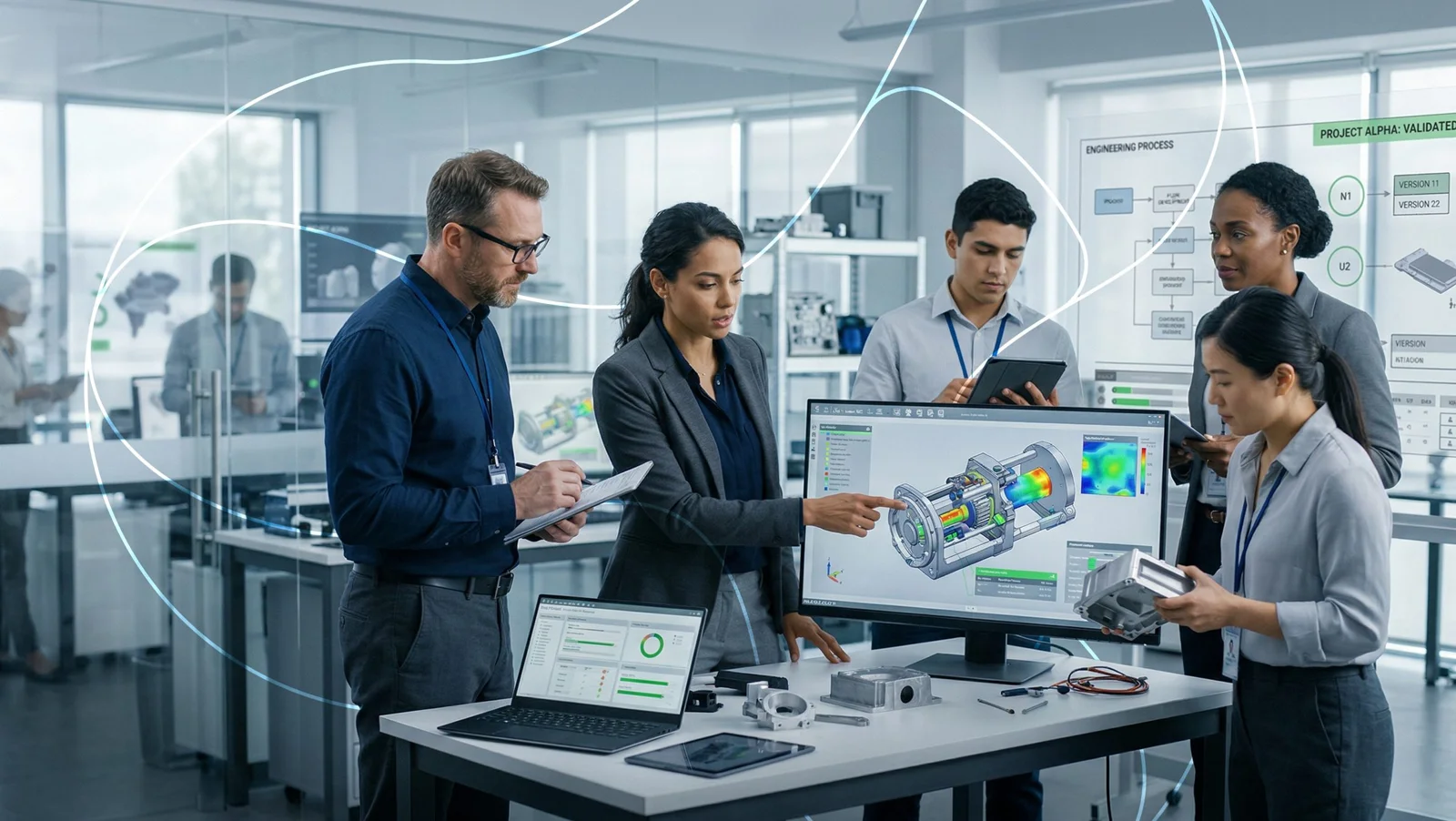
LUZA Engineering Experts brings together capabilities in product and process engineering, simulation, testing and technical project management. The approach starts with an understanding of requirements and interfaces between activities, systems and teams. Specialists can join the client organization, work within a dedicated team or contribute to a complete project. Technical analysis, documentation and verification criteria help connect design decisions with operating conditions. Scope and responsibilities are defined according to the need, rather than assuming that the same configuration will suit every environment or every stage of development.

Explore this solution

LUZA IT Experts

LUZA IT Experts connects capabilities in collaboration tools, data integration and technical application development. Solution definition considers existing applications, information quality, access and infrastructure dependencies. Development, data and quality teams work from clear requirements and acceptance criteria aligned with intended use. The integration of engineering and technology allows processes and systems to be treated as parts of the same operation. Tool selection follows the technical context and project objective, with attention to maintenance, support and the continued development of what is delivered.

Explore this solution

How we structure delivery

To structure delivery, the initial discussion connects the technical problem with affected processes, existing systems and the teams involved. Requirements and constraints need to be understood before specialists or tools are selected.

This analysis helps define activities, interfaces, acceptance criteria and the information needed to monitor execution. Planning considers integration with client operations and the responsibilities of each participant, keeping scope connected to actual working conditions rather than relying on assumptions about the environment.

Execution can combine embedded specialists, dedicated teams and end-to-end projects according to the agreed scope. Technical monitoring maintains visibility over decisions, dependencies and changing needs. Quality reviews and validation evidence help verify delivery alignment. By organising documentation, criteria and responsibilities, teams also preserve the context needed for maintenance, continuity and future development. This structure supports discussion of adjustments using verifiable information, without promising results that depend on specific client conditions or decisions outside the agreed technical scope.

  1. Understanding the context

    We analyze the characteristics of the environment, project, and operation before defining the necessary competencies.

  2. Adherent teams

    We select specialists considering technical experience, adaptability, and familiarity with the sector.

  3. Flexible models

    We operate with integrated professionals, dedicated teams, or complete projects, as needed.

  4. Continuous evolution

    We monitor the delivery to maintain adherence, identify risks, and adjust the structure when necessary.

Find the right capabilities for your industry

Talk to our specialists about the challenges, competencies, and the most suitable delivery model for your market.